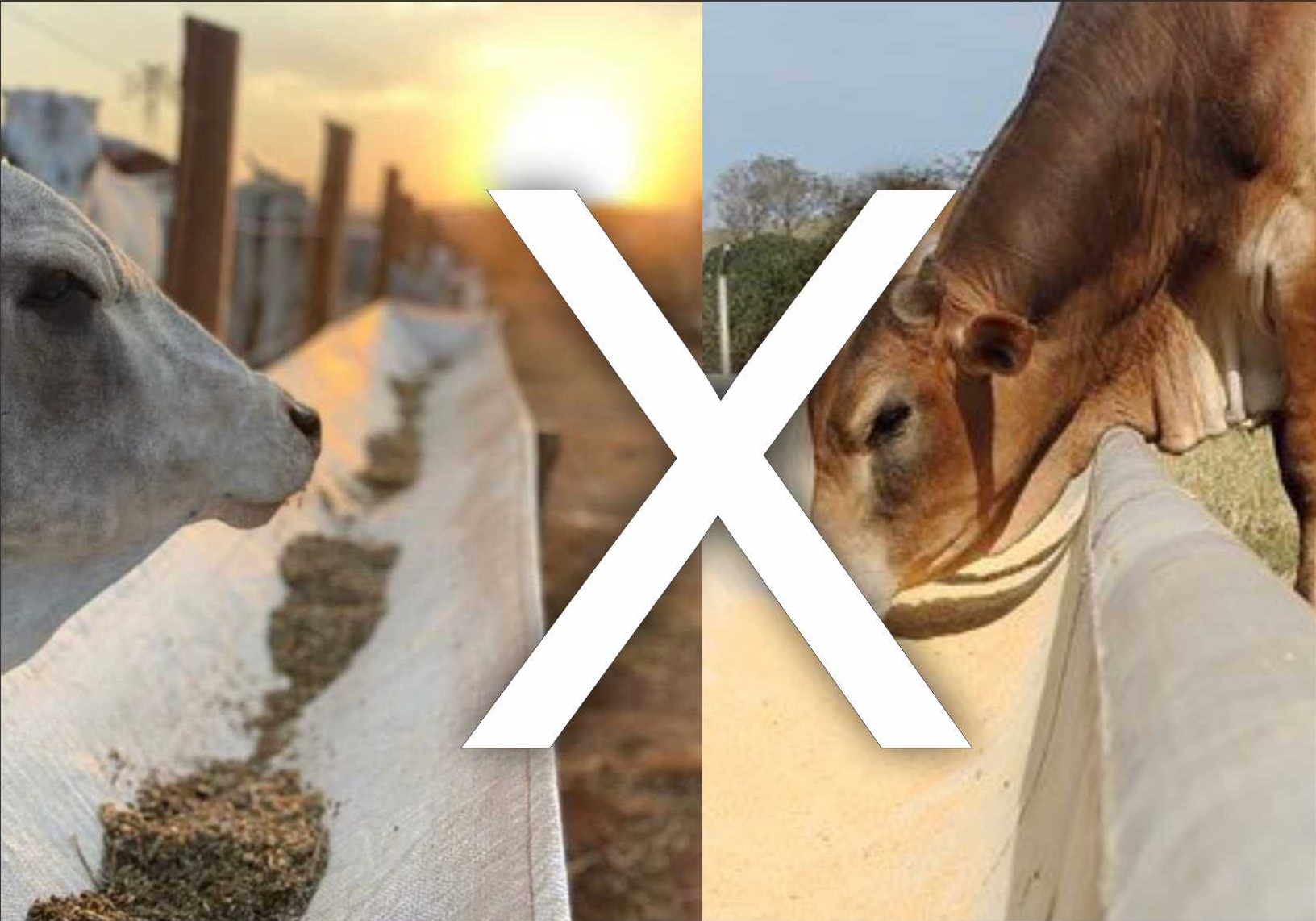
1. Installation Flexibility & Terrain Adaptation
-
Flexible Trough
-
Can be stretched between posts, adjusted in height, bent, or adapted to uneven terrain.
-
Ideal for slopes, uneven land, or temporary setups.
-
Easily reconfigured or relocated without heavy machinery.
-
-
Concrete Trough
-
Rigid and permanent — requires a solid foundation and leveled ground.
-
Hard to move or modify once installed.
-
Needs careful planning in uneven terrain.
-
2. Weight, Transport & Mobility
-
Flexible Trough
-
Lightweight and easy to transport.
-
Can be rolled or folded, requiring minimal space.
-
Easily carried and installed by one or two people.
-
-
Concrete Trough
-
Very heavy — needs trucks and lifting equipment.
-
Once placed, cannot be moved without breaking or rebuilding.
-
3. On-Farm Installation
-
Flexible Trough
-
Quick and easy installation using straps and posts.
-
No need for concrete, forms, or curing time.
-
Ready to use within hours.
-
-
Concrete Trough
-
Requires site preparation, formwork, curing, and skilled labor.
-
Installation may take days or even weeks.
-
4. Maintenance & Repair
Flexible Trough
- Damage is easy to identify and repair with patches or stitching.
- Only the affected area needs replacement.
Concrete Trough
- Cracks or chips may require structural repairs.
- Hard to fix localized damage without replacing entire sections.
5. Cleaning & Hygiene
-
Flexible Trough
-
Smooth surface makes it easy to wash and sanitize.
-
Can be cleaned with a hose or pressure washer.
-
-
Concrete Trough
-
May absorb moisture or feed residue due to porosity.
-
Needs regular deep cleaning to prevent buildup of mold or bacteria.
-
6. Animal Safety
-
Flexible Trough
-
No sharp edges; soft material reduces injury risk.
-
Edges can be reinforced for smooth contact points.
-
-
Concrete Trough
-
May develop rough edges over time.
-
Cracks can create loose fragments that pose risks to livestock.
-
7. Adaptability for Growth or Reconfiguration
-
Flexible Trough
-
Can be extended, shortened, or relocated as herd size changes.
-
Scalable — add more sections easily.
-
-
Concrete Trough
-
Fixed size and shape.
-
Expanding means new construction and costs.
-
8. Weather Resistance
-
Flexible Trough
-
UV-treated materials resist sun damage.
-
Drains quickly and doesn’t collect rainwater.
-
Withstands heat, cold, and weather fluctuations without cracking.
-
-
Concrete Trough
-
Very durable and resistant to weather long-term.
-
Freeze-thaw cycles can cause cracks if not properly cured or sealed.
-
9. Feed Efficiency
-
Flexible Trough
-
Sack-like shape reduces feed waste on uneven ground.
-
Can be installed at optimal length to ensure equal access for all animals.
-
-
Concrete Trough
-
Efficient when properly designed (angled walls, round edges).
-
Uneven installations may cause water or feed pooling.
-
10. Longevity & Durability
-
Flexible Trough
-
With proper treatment, offers long service life in harsh farm conditions.
-
Easy to replace specific parts.
-
-
Concrete Trough
-
Known for long-term durability — often lasts for decades.
-
Requires structural integrity to avoid major repairs.
-
Final Thoughts
While concrete troughs are traditional and offer strength and permanence, flexible feed troughs made from treated polypropylene bring a new level of efficiency, flexibility, and ease of use to modern farming:
-
Adapts to any terrain
-
Easy to install and move
-
Simple maintenance
-
Comfortable and safe for livestock
-
Better feed distribution and access
-
Quick setup for fast-paced operations
For ranchers seeking adaptability, efficiency, and convenience, flexible troughs like those from FlexTrough.com are an excellent solution for the future of animal feeding systems.