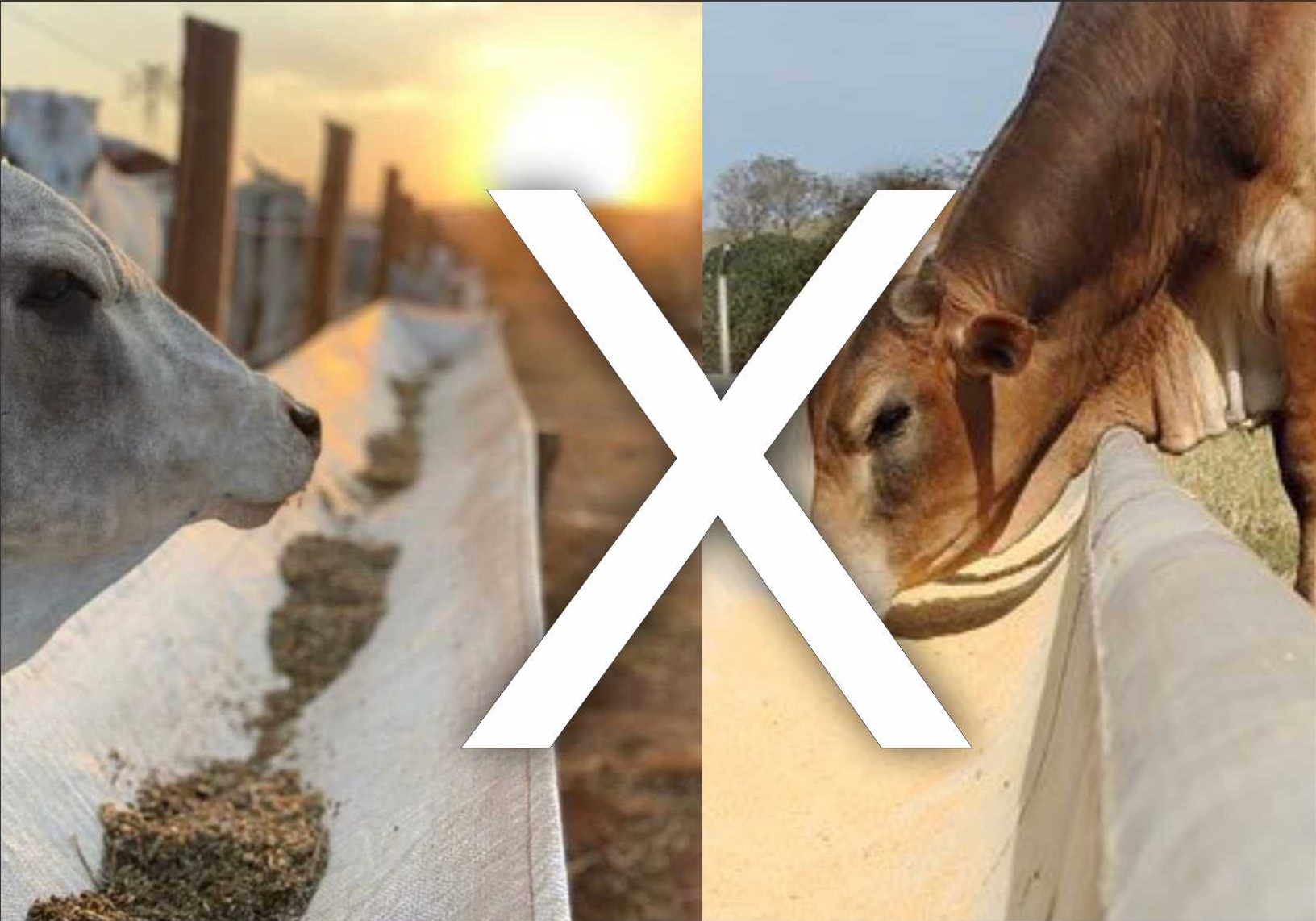
In today's competitive agricultural market, efficient cost management is crucial for the success of livestock operations. Smart farmers are discovering that strategic investments in modern feeding solutions can yield significant long-term savings.
Understanding Operational Costs
Livestock operations face numerous cost factors:
- Feed and feeding equipment
- Labor and time management
- Maintenance and replacement costs
- Transportation and logistics
- Regulatory compliance
Strategic Cost Reduction
Equipment Efficiency: Investing in durable, efficient feeding systems reduces long-term costs through decreased maintenance and replacement needs.
Labor Optimization: Automated or semi-automated feeding solutions reduce labor requirements and associated costs.
Waste Reduction: Efficient feeding systems minimize feed waste, directly impacting bottom-line costs.
FlexTrough Advantages
Modern flexible feeding solutions offer several cost advantages:
- Lower Initial Investment: Compared to permanent concrete or metal structures
- Reduced Installation Costs: Quick deployment without heavy machinery
- Minimal Maintenance: UV-treated materials resist degradation
- Flexibility: Easy relocation based on operational needs
ROI Analysis
Typical return on investment for modern feeding solutions:
- Year 1: 15-25% savings through efficiency gains
- Year 2-3: 30-40% cumulative savings
- Year 4+: Ongoing operational advantages
Implementation Strategy
Successful cost reduction requires:
- Comprehensive operational assessment
- Strategic planning and phased implementation
- Regular monitoring and optimization
- Continuous improvement practices
"Smart investment in modern feeding infrastructure represents a proven path to sustainable cost reduction in livestock operations."